Benefits of Solar Energy in Industries: How Solar Helps Reduce Costs and Carbon Footprint
December 24, 2025
Rahul Bhosale
Author -
Industrial units run on heavy loads every single day. Power is one of their highest operating expenses. At the same time, companies are under pressure to cut emissions and stay aligned with global supply-chain expectations. Many factories, warehouses, and commercial setups are turning to solar energy for industrial use because it helps reduce electricity costs and provides a steady, clean power source.
Solar has also become easier to install. Businesses can use rooftops, open areas or hybrid systems connected to the grid. As a result, solar is no longer seen as an optional upgrade. It is a practical solution that improves daily operations and long-term planning.
Uses of Solar Energy in Industries
Industrial facilities use solar in many practical ways. These solutions fit both high and low consumption units and can be scaled as the business grows.
Rooftop Solar
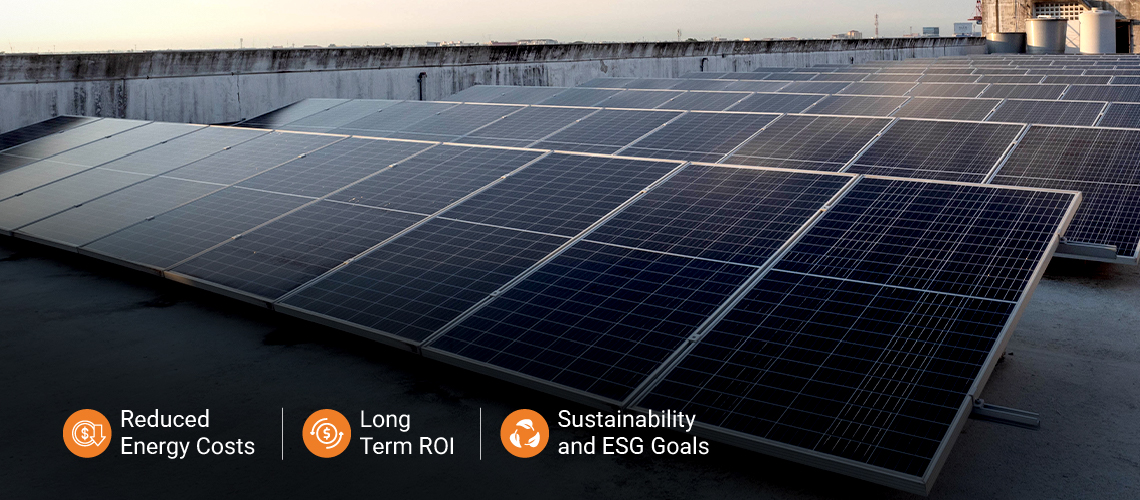
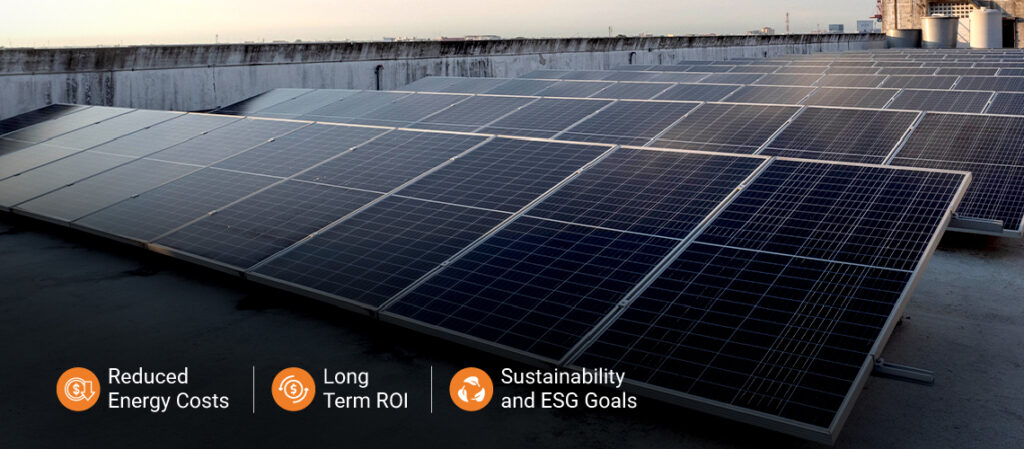
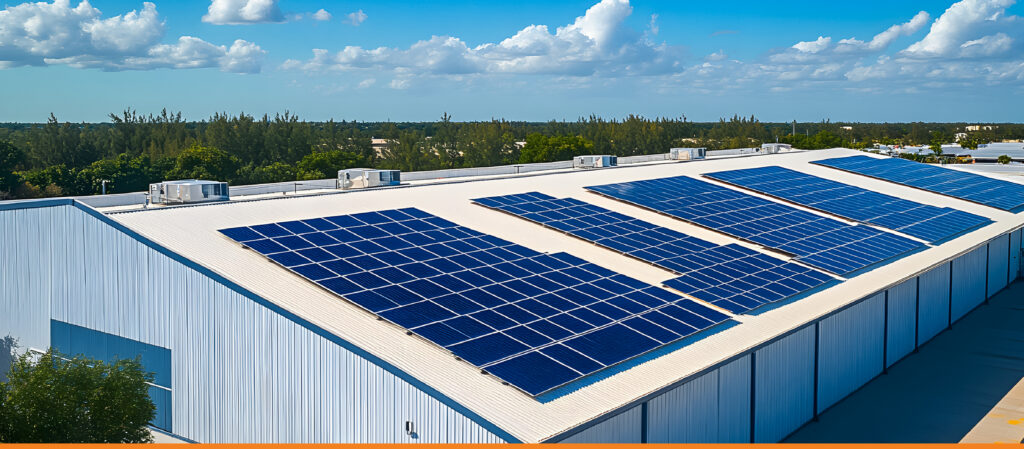
Large industrial roofs offer the best space for solar panels. Factories, warehouses and production units can generate a major part of their daytime energy through rooftop systems. This reduces the pressure on the grid and brings down monthly power bills. Many units recover their installation cost within a few years and continue saving for more than two decades.
Rooftop solar also works well for industries that want predictable energy expenses and better control over operational costs.
Hybrid and Open Access Solutions
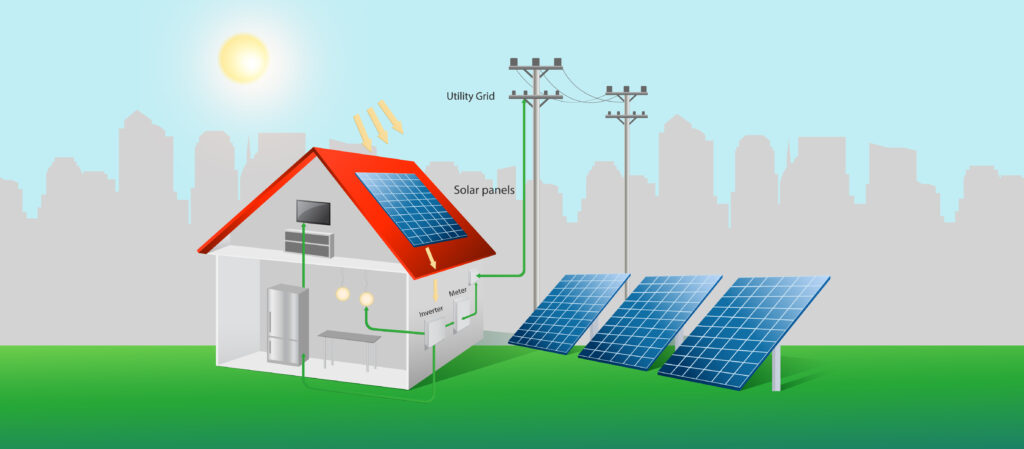
Hybrid systems combine solar with grid power to offer a steady supply throughout the day. This helps industries that cannot afford downtime or frequent voltage drops.
Open access models allow companies to buy solar power directly from large utility scale plants. This is useful for units with limited roof space or very high daily consumption. It also helps businesses lock in long-term power prices and reduce dependence on the local grid.
Solar Carports and Ground-Mounted Systems
Industries with open land or large parking areas often choose solar carports or ground-mounted systems. Carports provide shade while generating power. Ground-mounted units support facilities that want a higher capacity than what rooftop space allows.
These options show how the uses of solar energy in industries continue to expand with flexible installation methods that fit different operational needs.
Industrial Uses of Solar Energy
Solar supports a wide range of industrial activities. It fits into regular workflows without disrupting production and helps facilities manage energy more efficiently.
Manufacturing Units
Manufacturing units rely on steady power for machinery, cutting tools, motors, compressors, and process heating. Solar helps reduce the daytime load, which is usually the most expensive part of industrial consumption. Many industries that use solar energy prefer combining rooftop solar with open access power to ensure both stability and cost savings.
Warehouses and Commercial Spaces
Warehouses depend on lighting, cooling, ventilation, and material handling equipment. Solar helps offset these requirements and lowers monthly operating costs. Commercial spaces like logistics hubs, retail distribution centres, and business parks also use solar to improve asset value and create cleaner work environments.
Food Processing and Cold Storage
Food units and cold storage facilities run long hours and cannot afford temperature variations. Solar supports refrigeration, packing lines, and cleaning systems by reducing the strain on the grid. This helps maintain quality and reduces the risk of spoilage during power issues.
Textiles, Plastics, and Chemical Units
Textile mills, plastic moulding units, and chemical plants run high-energy operations. Solar helps them stabilise power supply for motors, dryers, heaters, and blowers. These sectors also use solar to meet sustainability requirements from global buyers.
Automotive and Engineering
Automotive component manufacturers and engineering workshops use solar to support welding stations, CNC machines, compressors, and paint shops. Solar helps balance high peak loads and brings predictable energy expenses.
Advantages of Solar Energy for Industries
Reduced Energy Costs
A well-planned solar system helps industries cut a significant part of their electricity bill. Once the system is installed, the power generated is free. Costs remain stable for many years, which helps with budgeting and long-term planning.
Sustainability and ESG Goals
Solar helps industries reduce their carbon footprint without changing their operations. Companies that follow ESG reporting or export goods often use solar to meet sustainability requirements. This makes solar energy for industrial use a practical step toward cleaner production.
Long Term ROI
Solar has one of the strongest returns among industrial investments. Businesses recover their cost in a few years. After that, the savings continue with very little maintenance. The growing market for solar across industrial reflects this clear financial value.
Conclusion
Solar has become a dependable choice for factories, warehouses, and commercial units across India. It helps cut energy costs, supports sustainability goals, and offers steady returns for many years. Companies that adopt solar early also build stronger environmental and financial credibility.
If your business is exploring solar, consider starting with a solar rooftop installation. It is simple to set up, cost-effective, and suited for most industrial facilities. At Aara Energy, we design and deliver solar systems that match each site’s operational needs. Our focus is on reliable planning, strong performance, and long-term value. If your business is considering solar, our team can help you choose the right model and estimate the savings clearly.