Hybrid Solar Systems for Industrial & Commercial Use: The Future of Energy
December 15, 2025
Rahul Bhosale
Author -
As industries move toward higher efficiency, lower operating costs and long-term sustainability, hybrid solar systems are quickly becoming the preferred choice for commercial and industrial setups. Rising electricity tariffs, frequent grid fluctuations, and the need for reliable backup power have led facility owners to explore energy solutions that deliver both performance and stability. This is where hybrid solar systems for industry stand out, offering the reliability of batteries, the affordability of solar energy and the stability of grid support, all in one integrated system.
What is a Hybrid Solar System?
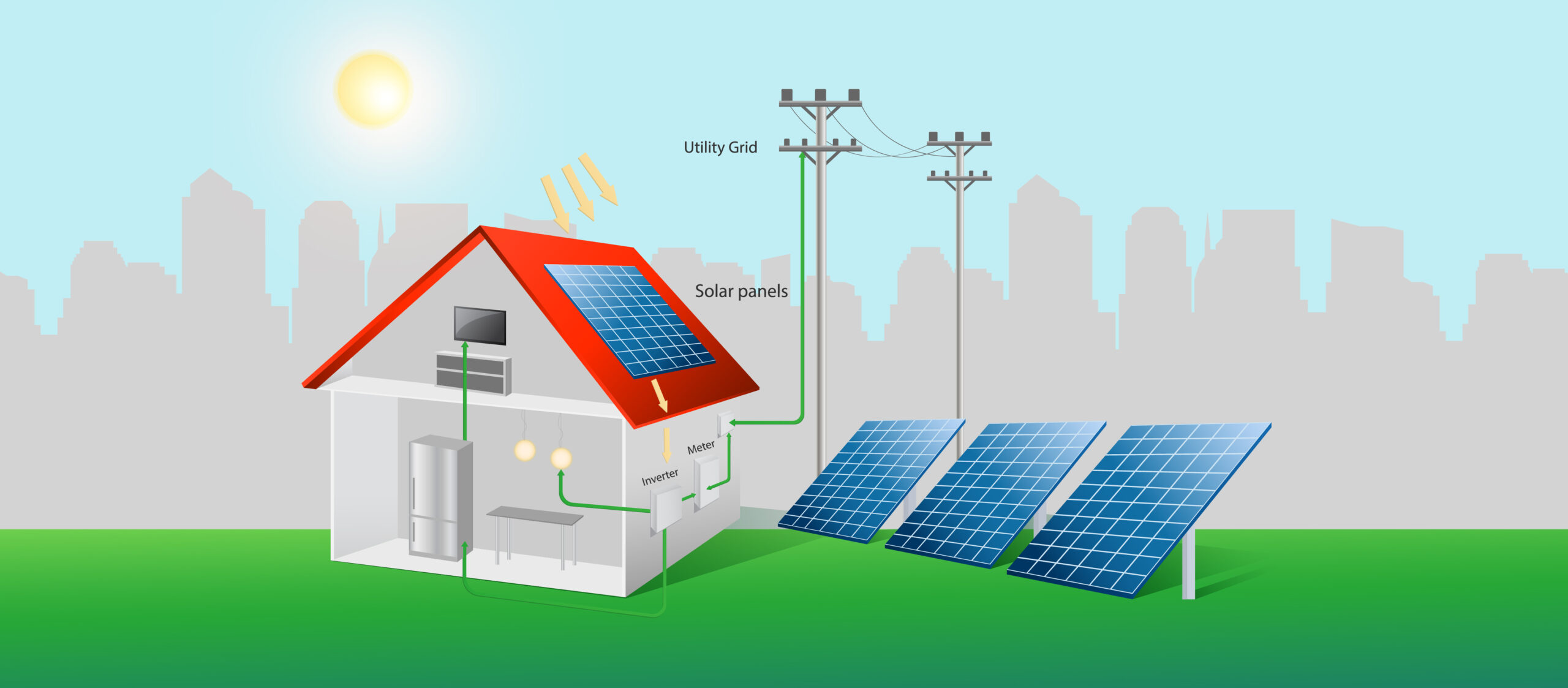
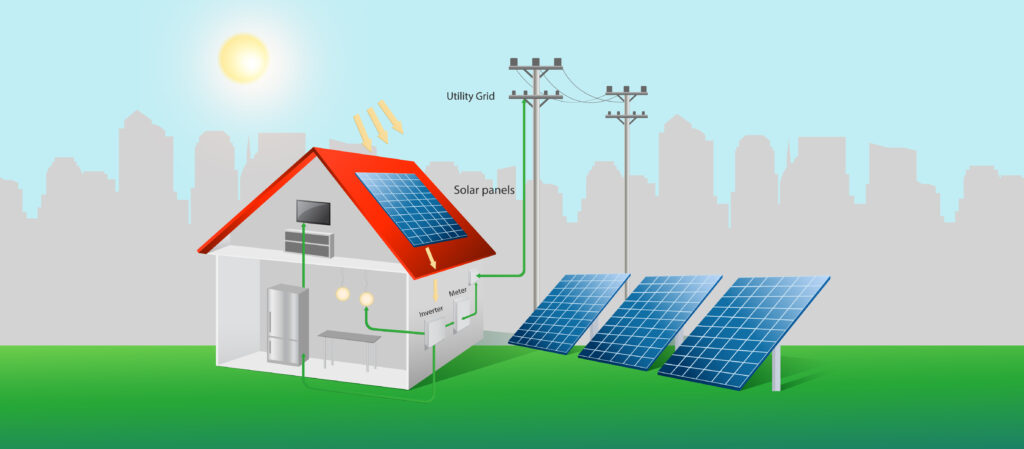
A hybrid solar system is a smart combination of solar panels, batteries and grid supply, designed to deliver seamless energy to industrial or commercial facilities. Unlike traditional grid-tied systems that rely solely on utility power when solar generation is low, hybrid systems store excess solar energy in batteries and use it when needed, ensuring uninterrupted operations.
Components of a Hybrid Solar System
A typical hybrid installation includes:
Solar panels (modules) to capture and convert sunlight into electricity
A hybrid inverter that manages both grid and battery charging
Battery bank (lithium-ion, LFP or other advanced chemistries)
Solar charge controller
Monitoring system for real-time energy visibility
These components work together to maximise energy generation, reduce reliance on the grid and maintain power even during outages.
Difference Between Grid-Tied and Hybrid Solar
Feature
Grid-Tied System
Hybrid Solar System
Backup Capability
No
Yes (battery included)
Dependency on Grid
High
Low–Medium
Ideal For
Low-disruption zones
Industrial units with critical loads
Cost Savings
Good
Higher due to storage + optimisation
Hybrid solar systems work both during the day and at night, offering consistent power and greater energy independence, a significant advantage for industries that cannot afford downtime.
How Hybrid Solar Systems Work for Industry
Industrial facilities operate with varying load patterns, heavy machinery and long working hours. Hybrid solar systems are designed to meet these specific energy demands.
Battery Integration for Power Security
During the day, solar panels generate electricity, which is used to run the facility’s load. Any surplus energy is automatically stored in batteries. When solar generation drops, during evenings, cloud cover or outages, the stored power seamlessly takes over.
This ensures:
Zero interruption to production
Smooth functioning of sensitive equipment
Reduced dependency on diesel generators
For industries in regions with frequent voltage fluctuations or unreliable grids, this is a game-changer.
Intelligent Energy Management
Modern hybrid systems use AI-enabled or programmable controllers to optimise:
When to draw solar power
When to charge batteries
When to pull from the grid
How to manage peak load demands
This level of automation enables industries to reduce operational costs and improve overall energy efficiency. It also reduces transformer stress and protects appliances from sudden voltage drops.
Benefits of Hybrid Solar Panels in Industrial Use
Hybrid solar technology is becoming essential for industries seeking sustainable and cost-efficient energy. Here are the major advantages:
1. Continuous Power Supply
The biggest benefit is uninterrupted power. Hybrid systems automatically shift between solar, battery and grid without any manual intervention. For industries where downtime equals revenue loss, such as food processing, pharmaceuticals, packaging, machinery or fabrication, this reliability is invaluable.
2. Major Cost Savings
Hybrid systems optimise electricity usage by utilising maximum solar energy and drawing minimum grid power. Industries can save significantly on:
Demand charges
Peak-time tariffs
Diesel generator consumption
Electricity bills due to reduced grid dependency
Over time, the savings offset the initial investment and deliver a strong ROI.
3. Increased Reliability & Energy Independence
Hybrid solar panels provide smoother load handling during grid fluctuations. Industrial equipment such as motors, compressors or CNC machines operates with better stability. Industries gain greater autonomy and predictability in their energy ecosystem.
4. Lower Carbon Footprint
Hybrid systems support ESG goals by reducing CO₂ emissions. With sustainability becoming a key requirement in supply chains, hybrid solar installations enable companies to meet compliance benchmarks while contributing to a greener future.
Key Considerations for Implementation
1. Roof & Space Requirements
Hybrid systems typically require adequate roof or ground space to install panels, as well as room for battery banks and inverters. A feasibility study by an industrial solar installation company helps determine the optimal system size based on load profile and energy goals.
2. Battery Capacity & Type
Lithium-ion (LFP) batteries are the preferred choice due to long life, high depth-of-discharge and low maintenance. The battery capacity must be aligned with the facility’s peak load and backup requirements.
3. Load Prioritisation
Industries may classify their loads as:
Critical (must run during outages)
Essential
Non-essential
A hybrid controller can allocate power intelligently to ensure maximum efficiency.
4. Maintenance & Monitoring Needs
While hybrid systems are low-maintenance, they require periodic:
Panel cleaning
Battery health checks
Inverter firmware updates
Remote monitoring
Regular servicing ensures higher uptime and a longer system lifespan.
Conclusion
Hybrid solar systems are redefining how industries manage power. By combining solar energy with advanced battery storage and intelligent energy management, industries gain uninterrupted power, major cost savings and a sustainable operational model. With rising grid tariffs and the global shift toward renewable energy, hybrid solar technology is not just a trend; it is the future of industrial and commercial power.
To know how a customised hybrid system can transform your facility, consult a trusted industrial solar installation company and take the first step toward reliable, clean and profitable energy.